- drparikhrushabh@gmail.com
- +91 8779697851, 9619810512
- Mon - Sat: 10:00am to 6:00pm (Sunday Closed)


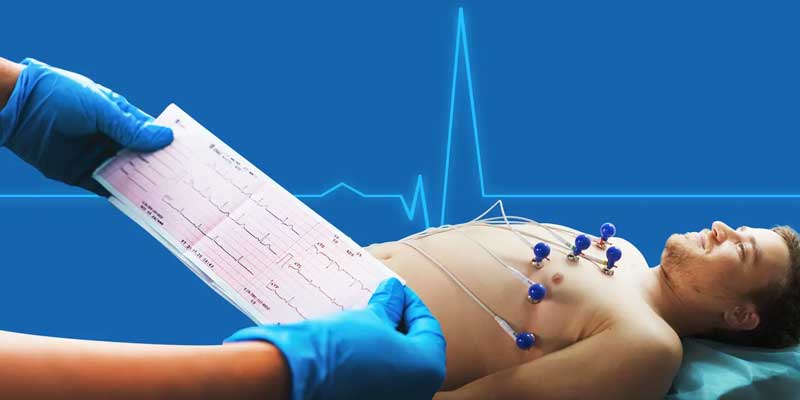
ECG (Electrocardiogram)
Meaning:
An ECG (Electrocardiogram) is a simple, non-invasive diagnostic test that records the electrical activity of the heart. It helps assess heart rhythm, heart rate, and overall cardiac function and is commonly used for routine and emergency cardiac evaluation.
Causes:
ECG changes may occur due to conditions such as high blood pressure, coronary artery disease, heart rhythm disorders, heart muscle weakness, electrolyte imbalance, stress, infections affecting the heart, or side effects of certain medications.
Treatments:
Treatment is guided by ECG findings and the underlying condition. It may include medications to control heart rhythm or blood pressure, lifestyle modifications, treatment of associated medical conditions, and further cardiac investigations if required.
Prevention:
Maintaining a healthy lifestyle with regular exercise, balanced diet, stress control, and avoidance of tobacco helps reduce the risk of heart disease. Periodic ECG screening supports early detection and preventive cardiac care, especially in individuals with risk factors.
Frequently Asked Questions
What is an ECG test?
An ECG is a diagnostic test that records the heart’s electrical signals to detect rhythm abnormalities, heart damage, or other cardiac conditions.
Why is an ECG done?
ECG is performed to evaluate symptoms like chest pain, palpitations, dizziness, or shortness of breath, and to monitor existing heart conditions or assess heart health during routine check-ups.
When should an ECG be done?
An ECG is recommended when symptoms related to heart problems appear, before certain medical procedures, or as part of regular health screening for individuals with cardiac risk factors.
Is ECG a painful or risky procedure?
ECG is a painless and safe test. It does not involve needles or electric shocks and usually takes only a few minutes to complete.