- drparikhrushabh@gmail.com
- +91 8779697851, 9619810512
- Mon - Sat: 10:00am to 6:00pm (Sunday Closed)


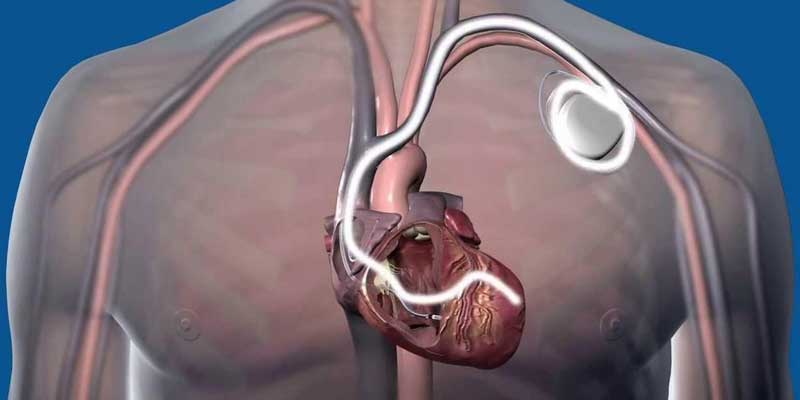
Cardiac Resynchronization Therapy with Defibrillator (CRT-D) Implantation
Meaning:
Cardiac Resynchronization Therapy with Defibrillator (CRT-D) is an advanced device-based treatment for patients with heart failure and abnormal electrical activation of the heart. The device improves coordination between the heart’s chambers while also providing protection against life-threatening ventricular arrhythmias.
Causes:
CRT-D is recommended for patients with heart failure, reduced pumping function, and electrical conduction delays such as bundle branch block. These conditions can cause inefficient heart contractions, worsening heart failure symptoms, and increased risk of sudden cardiac death.
Treatments:
The procedure involves implanting a specialized device with leads placed in specific areas of the heart to synchronize ventricular contractions. The defibrillator component continuously monitors heart rhythm and delivers life-saving therapy if dangerous arrhythmias occur.
Prevention:
Early diagnosis and optimal medical management of heart failure help slow disease progression. In eligible patients, timely CRT-D implantation improves heart function, reduces hospitalizations, and lowers the risk of sudden cardiac death.
Frequently Asked Questions
What is CRT-D?
CRT-D is a cardiac device that improves heart pumping efficiency while also protecting against dangerous heart rhythm disturbances.
Why is CRT-D implantation performed?
It is performed to improve heart failure symptoms, enhance quality of life, and prevent sudden cardiac death in high-risk patients.
When is CRT-D recommended?
CRT-D is recommended for patients with heart failure, reduced heart function, electrical conduction delays, and increased risk of ventricular arrhythmias.
Is CRT-D implantation a safe procedure?
Yes, CRT-D implantation is a well-established and safe procedure when performed in experienced centers, with most patients experiencing significant symptomatic improvement.