- drparikhrushabh@gmail.com
- +91 8779697851, 9619810512
- Mon - Sat: 10:00am to 6:00pm (Sunday Closed)


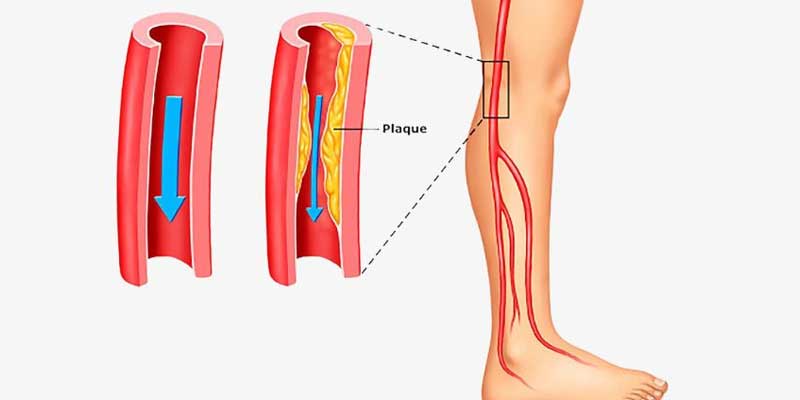
Peripheral Angiography
Meaning:
Peripheral Angiography is a minimally invasive diagnostic procedure used to visualize blood flow in the arteries of the limbs. It involves injecting contrast dye into the blood vessels and using X-ray imaging to identify narrowing, blockages, or abnormalities in peripheral arteries.
Causes:
Peripheral angiography is performed when symptoms suggest peripheral artery disease, such as leg pain while walking, non-healing wounds, numbness, or reduced blood flow. Risk factors include diabetes, smoking, high blood pressure, high cholesterol, aging, and a history of cardiovascular disease.
Treatments:
While peripheral angiography itself is a diagnostic test, it plays a crucial role in guiding treatment. Based on findings, further interventions such as balloon angioplasty, stent placement, or medical therapy may be planned to restore adequate blood flow.
Prevention:
Early detection of peripheral artery disease through timely imaging helps prevent complications such as limb ischemia or tissue damage. Lifestyle modifications, risk factor control, and regular vascular evaluations support long-term limb and vascular health.
Frequently Asked Questions
What is Peripheral Angiography?
Peripheral angiography is an imaging test that shows blood flow in the arteries of the arms or legs to detect blockages or narrowing.
Why is Peripheral Angiography performed?
It is performed to diagnose peripheral artery disease, evaluate circulation problems, and plan appropriate vascular treatment.
When is Peripheral Angiography recommended?
It is recommended when symptoms of reduced limb blood flow are present or when non-invasive tests suggest significant arterial disease.
Is Peripheral Angiography a safe procedure?
Yes, it is a commonly performed and safe diagnostic procedure when done in experienced centers, with minimal recovery time.