- drparikhrushabh@gmail.com
- +91 8779697851, 9619810512
- Mon - Sat: 10:00am to 6:00pm (Sunday Closed)


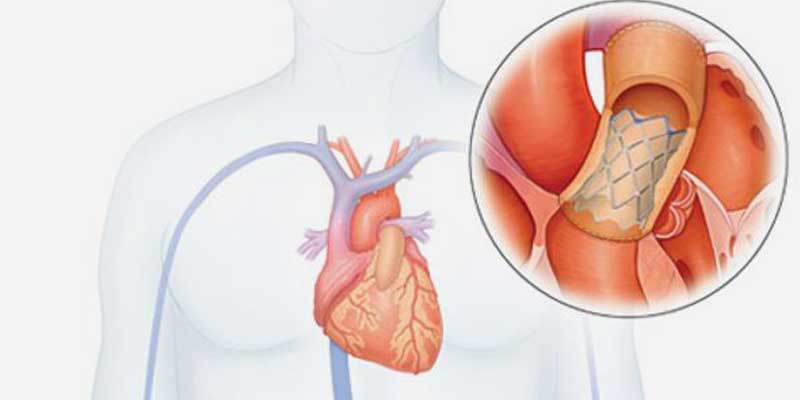
Transcatheter Pulmonary Valve Replacement (TPVR)
Meaning:
Transcatheter Pulmonary Valve Replacement (TPVR) is a minimally invasive procedure used to replace a dysfunctional pulmonary valve or right ventricular outflow tract conduit without open-heart surgery. A new valve is delivered through a catheter and positioned precisely to restore normal blood flow between the heart and lungs.
Causes:
Pulmonary valve dysfunction may occur due to congenital heart disease, degeneration of previously placed surgical valves or conduits, prior corrective heart surgeries, or acquired valve damage. These conditions can lead to valve leakage or narrowing, causing symptoms such as breathlessness, fatigue, and reduced exercise tolerance.
Treatments:
TPVR involves placement of a transcatheter valve using advanced imaging guidance to ensure accurate positioning and optimal valve function. The procedure improves blood flow, reduces strain on the right side of the heart, and helps relieve symptoms while allowing faster recovery compared to surgical valve replacement.
Prevention:
Regular follow-up and timely evaluation of congenital or acquired pulmonary valve disease help prevent progression to severe dysfunction. Early intervention, appropriate medical management, and long-term cardiac surveillance play an important role in maintaining valve and heart health.
Frequently Asked Questions
What is Transcatheter Pulmonary Valve Replacement?
TPVR is a catheter-based procedure that replaces a diseased pulmonary valve without the need for open-heart surgery.
Why is TPVR performed?
It is performed to treat malfunctioning pulmonary valves or conduits, improve heart function, and relieve symptoms in patients who may not be ideal candidates for surgery.
When is TPVR recommended?
TPVR is recommended when pulmonary valve dysfunction becomes severe, causes symptoms, or affects heart performance despite medical management.
Is TPVR a safe procedure?
When performed in experienced centers, TPVR is considered a safe and effective treatment option with the benefit of shorter recovery time.