- drparikhrushabh@gmail.com
- +91 8779697851, 9619810512
- Mon - Sat: 10:00am to 6:00pm (Sunday Closed)


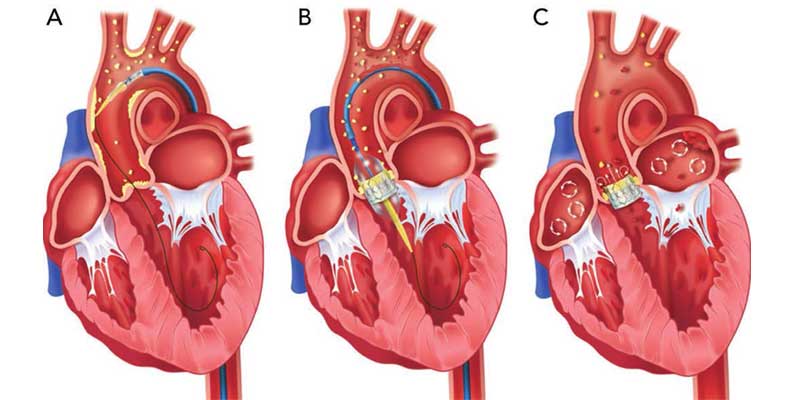
Transcatheter Tricuspid Valve Replacement (TTVR)
Meaning:
Transcatheter Tricuspid Valve Replacement (TTVR) is a minimally invasive procedure used to treat severe tricuspid valve disease without open-heart surgery. A replacement valve is delivered through a catheter and positioned within the diseased tricuspid valve to restore normal blood flow and valve function.
Causes:
Tricuspid valve disease may develop due to valve degeneration, long-standing heart failure, pulmonary hypertension, previous heart surgery, congenital heart conditions, or damage caused by infections. Severe tricuspid regurgitation can lead to symptoms such as swelling, fatigue, breathlessness, and reduced quality of life.
Treatments:
TTVR is performed using advanced transcatheter valve technologies guided by detailed imaging for precise placement. The procedure helps reduce valve leakage, improve heart function, and relieve symptoms in patients who are at high risk for conventional surgery.
Prevention:
Early diagnosis and appropriate management of underlying heart conditions, timely treatment of valve disease, and regular cardiac follow-up help prevent progression to advanced tricuspid valve dysfunction. Lifestyle modifications and medical therapy also play a role in maintaining heart health.
Frequently Asked Questions
What is Transcatheter Tricuspid Valve Replacement?
TTVR is a minimally invasive procedure that replaces a diseased tricuspid valve using a catheter-based approach, avoiding the need for open-heart surgery.
Why is TTVR performed?
It is performed to treat severe tricuspid valve disease in patients who are not suitable candidates for surgical valve replacement.
When is TTVR recommended?
TTVR is recommended in patients with severe tricuspid regurgitation who continue to have symptoms despite medical treatment and are considered high-risk for surgery.
Is TTVR a safe procedure?
When performed in specialized centers with experienced teams, TTVR is considered a safe and effective option for managing complex tricuspid valve disease.