- drparikhrushabh@gmail.com
- +91 8779697851, 9619810512
- Mon - Sat: 10:00am to 6:00pm (Sunday Closed)


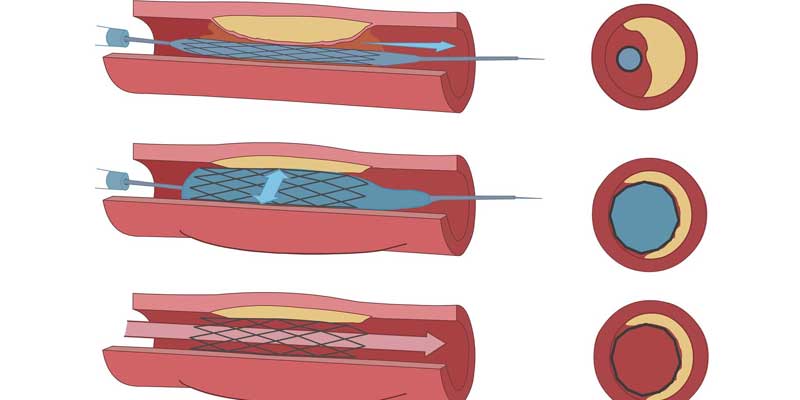
Peripheral Angioplasty / Percutaneous Transluminal Angioplasty (PTA) of Lower Limbs
Meaning:
Peripheral Angioplasty, also known as Percutaneous Transluminal Angioplasty (PTA), is a minimally invasive procedure used to restore blood flow in narrowed or blocked arteries of the lower limbs. A balloon, and in some cases a stent, is used to widen the affected artery and improve circulation.
Causes:
Peripheral artery disease of the lower limbs commonly develops due to atherosclerosis, where fatty deposits build up inside the arteries. Risk factors include diabetes, smoking, high blood pressure, high cholesterol, aging, and sedentary lifestyle. Reduced blood flow can lead to leg pain while walking, non-healing wounds, or critical limb ischemia.
Treatments:
PTA involves advancing a catheter to the narrowed segment of the artery under imaging guidance. The balloon is inflated to open the blockage, and a stent may be placed to keep the artery open. This treatment relieves symptoms, improves walking ability, and reduces the risk of limb-related complications.
Prevention:
Early detection and management of peripheral artery disease help prevent disease progression. Lifestyle modification, smoking cessation, diabetes and blood pressure control, regular exercise, and timely vascular interventions play an important role in maintaining limb health.
Frequently Asked Questions
What is Peripheral Angioplasty (PTA)?
Peripheral angioplasty is a catheter-based procedure used to open blocked or narrowed arteries in the legs and improve blood flow.
Why is PTA of lower limbs performed?
It is performed to relieve leg pain, heal non-healing ulcers, prevent limb ischemia, and improve mobility and quality of life.
When is PTA recommended?
PTA is recommended when symptoms of peripheral artery disease are significant, conservative treatment fails, or blood flow reduction threatens limb health.
Is Peripheral Angioplasty safe?
When performed in experienced centers, peripheral angioplasty is a safe and effective minimally invasive procedure with quicker recovery compared to surgery.