- drparikhrushabh@gmail.com
- +91 8779697851, 9619810512
- Mon - Sat: 10:00am to 6:00pm (Sunday Closed)


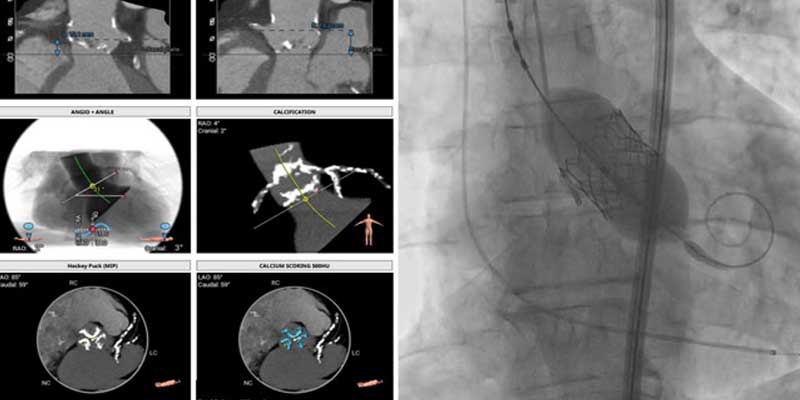
Hemodynamic Support–Assisted High-Risk PCI
Meaning:
Hemodynamic Support–Assisted High-Risk Percutaneous Coronary Intervention (PCI) refers to complex coronary procedures performed with the aid of mechanical circulatory support devices. These devices help maintain stable blood flow and heart function during high-risk interventions in patients with compromised cardiac performance.
Causes:
High-risk PCI is required in patients with severe left ventricular dysfunction, unprotected left main coronary artery disease, complex multivessel disease, cardiogenic shock, or advanced coronary blockages where routine PCI may pose significant hemodynamic risk.
Treatments:
Treatment involves the use of advanced mechanical support devices such as Intra-Aortic Balloon Pump (IABP), Impella, or Extracorporeal Membrane Oxygenation (ECMO) during PCI. These devices support circulation, reduce cardiac workload, and enhance procedural safety while enabling complete and effective revascularization.
Prevention:
Early detection and optimal management of coronary artery disease, heart failure, and associated risk factors help reduce progression to high-risk conditions. Timely intervention and comprehensive cardiac care play a vital role in preventing the need for emergency or extremely high-risk procedures.
Frequently Asked Questions
What is hemodynamic support–assisted PCI?
It is a high-risk coronary intervention performed with mechanical circulatory support devices to maintain stable heart function during complex procedures.
Why is hemodynamic support needed during PCI?
It is needed to prevent sudden drops in blood pressure and cardiac output in patients with weak heart function or complex coronary anatomy.
When is high-risk PCI with support recommended?
It is recommended in patients with severe heart dysfunction, left main disease, complex multivessel blockages, or those at risk of hemodynamic instability during PCI.
Are these procedures safe?
Yes, when performed in a well-equipped setting by experienced teams, hemodynamic support–assisted PCI significantly improves safety and procedural success in high-risk patients.