- drparikhrushabh@gmail.com
- +91 8779697851, 9619810512
- Mon - Sat: 10:00am to 6:00pm (Sunday Closed)


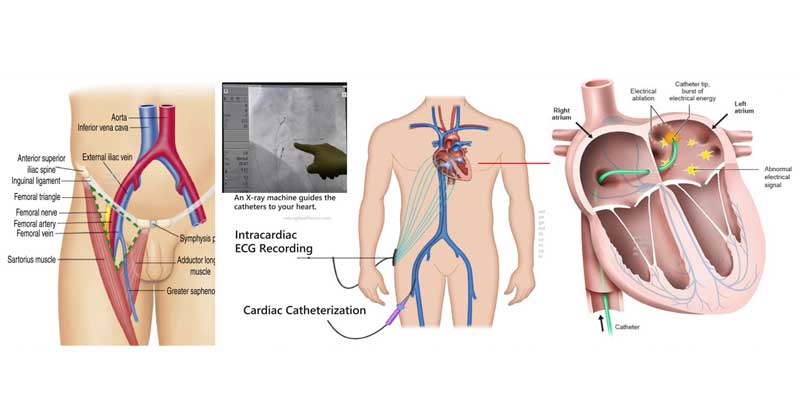
Electrophysiological Study (EPS)
Meaning:
An Electrophysiological Study (EPS) is a specialized cardiac procedure used to evaluate the electrical activity of the heart. It helps identify abnormal electrical pathways and the exact cause of heart rhythm disorders by studying how electrical signals travel through the heart.
Causes:
EPS is recommended for patients experiencing unexplained palpitations, fainting episodes, rapid or irregular heartbeats, or suspected arrhythmias such as supraventricular tachycardia, atrial fibrillation, or ventricular tachycardia.
Treatments:
During EPS, thin catheters are guided into the heart through blood vessels to record electrical signals. Based on findings, treatment such as catheter ablation may be performed to eliminate abnormal pathways, or appropriate medical or device-based therapy may be planned.
Prevention:
Early diagnosis and precise treatment of heart rhythm disorders help prevent complications such as stroke, heart failure, or sudden cardiac events. Regular follow-up and lifestyle management support long-term rhythm control and heart health.
Frequently Asked Questions
What is an Electrophysiological Study?
EPS is a test that studies the heart’s electrical system to diagnose abnormal heart rhythms.
Why is EPS performed?
EPS is performed to identify the cause of arrhythmias and guide appropriate treatment, including catheter ablation or device therapy.
When is EPS recommended?
EPS is recommended when symptoms such as palpitations, fainting, or unexplained arrhythmias persist despite routine evaluation.
Is EPS a safe procedure?
Yes, EPS is a commonly performed and safe procedure when done in experienced centers, with minimal recovery time.