- drparikhrushabh@gmail.com
- +91 8779697851, 9619810512
- Mon - Sat: 10:00am to 6:00pm (Sunday Closed)


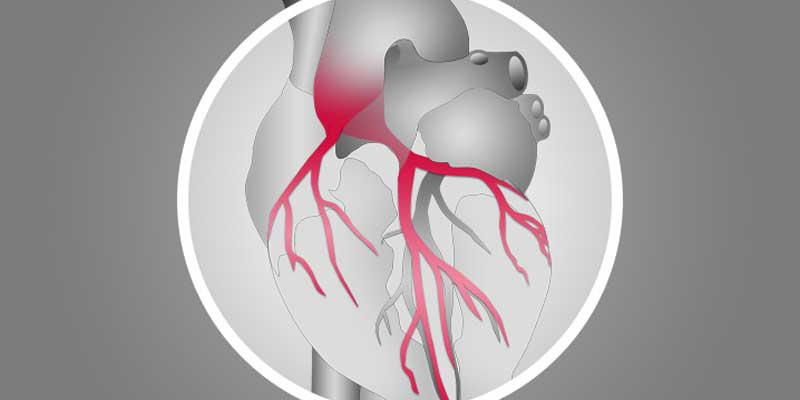
Complex Left Main and Multivessel PCI
Meaning:
Complex Left Main and Multivessel Percutaneous Coronary Intervention (PCI) refers to advanced catheter-based procedures used to treat significant blockages in the left main coronary artery and multiple coronary vessels. These procedures require high-level expertise, advanced imaging, and precise techniques to restore adequate blood flow to the heart muscle.
Causes:
This condition arises due to severe coronary artery disease involving critical vessels of the heart. Common contributing factors include long-standing high blood pressure, diabetes, high cholesterol levels, smoking, obesity, sedentary lifestyle, stress, and genetic predisposition. Left main and multivessel disease significantly increase the risk of serious cardiac events.
Treatments:
Treatment involves complex PCI techniques such as bifurcation stenting, chronic total occlusion interventions, and use of advanced intracoronary imaging and physiological assessment tools to optimize outcomes. In selected high-risk cases, mechanical circulatory support may be used to ensure procedural safety and effectiveness.
Prevention:
Prevention focuses on aggressive management of cardiovascular risk factors, including blood pressure control, cholesterol management, diabetes care, smoking cessation, regular physical activity, healthy diet, and stress reduction. Early diagnosis and timely intervention help prevent progression to complex coronary disease.
Frequently Asked Questions
What is Complex Left Main and Multivessel PCI?
It is an advanced minimally invasive procedure used to treat severe blockages in the left main coronary artery and multiple heart vessels using specialized techniques and technologies.
Why is this procedure considered complex?
The left main artery supplies a large portion of the heart, and treating multiple vessels involves higher risk and technical difficulty, requiring precise planning and advanced imaging support.
When is Complex PCI recommended?
It is recommended when significant blockages are present in the left main or multiple coronary arteries, especially in patients with ongoing symptoms, high-risk anatomy, or when surgery is not suitable.
Is recovery different from routine PCI?
Recovery is generally similar to standard PCI, though close monitoring may be required due to the complexity of the procedure and the underlying heart condition.