- drparikhrushabh@gmail.com
- +91 8779697851, 9619810512
- Mon - Sat: 10:00am to 6:00pm (Sunday Closed)


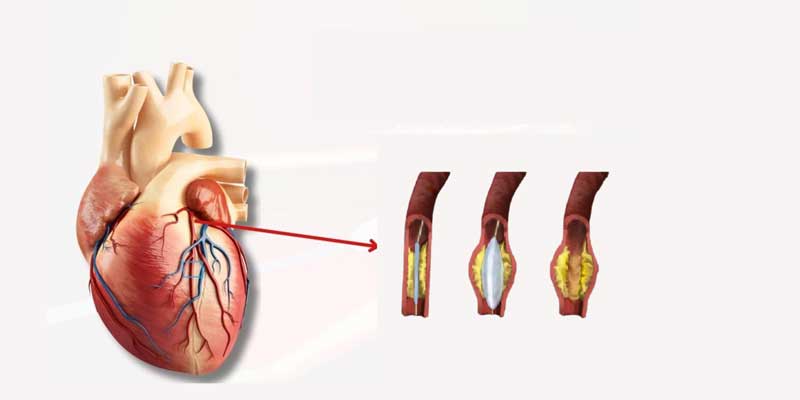
Percutaneous Coronary Intervention / Percutaneous Transluminal Coronary Angioplasty (PCI/PTCA)
Meaning:
Percutaneous Coronary Intervention (PCI), also known as Percutaneous Transluminal Coronary Angioplasty (PTCA), is a minimally invasive procedure used to open narrowed or blocked coronary arteries. It improves blood flow to the heart muscle by using a balloon and, in many cases, placing a stent to keep the artery open.
Causes:
PCI/PTCA is required when coronary arteries become narrowed or blocked due to plaque buildup, a condition known as coronary artery disease. Common causes include high cholesterol, high blood pressure, diabetes, smoking, obesity, sedentary lifestyle, stress, and genetic factors.
Treatments:
PCI/PTCA itself is a treatment procedure performed to restore blood flow to the heart. It may involve balloon angioplasty, stent placement, or both. The procedure helps relieve symptoms such as chest pain and breathlessness and reduces the risk of heart attacks and other serious cardiac complications.
Prevention:
Preventing coronary artery disease involves maintaining a heart-healthy lifestyle, including regular exercise, balanced nutrition, weight control, stress management, and avoidance of tobacco. Managing conditions like diabetes, high blood pressure, and high cholesterol plays a crucial role in preventing disease progression.
Frequently Asked Questions
What is PCI/PTCA?
PCI/PTCA is a minimally invasive procedure used to treat blocked or narrowed coronary arteries and improve blood flow to the heart.
Why is PCI/PTCA done?
It is done to relieve symptoms of coronary artery disease, improve heart function, and reduce the risk of heart attacks and related complications.
When is PCI/PTCA required?
PCI/PTCA is recommended when significant blockage in coronary arteries is detected, especially in patients with chest pain, reduced blood flow to the heart, or during emergency situations such as a heart attack.
Is PCI/PTCA a major surgery?
No, PCI/PTCA is a minimally invasive procedure performed through a small puncture, usually in the wrist or groin, and typically allows faster recovery compared to open-heart surgery.