- drparikhrushabh@gmail.com
- +91 8779697851, 9619810512
- Mon - Sat: 10:00am to 6:00pm (Sunday Closed)


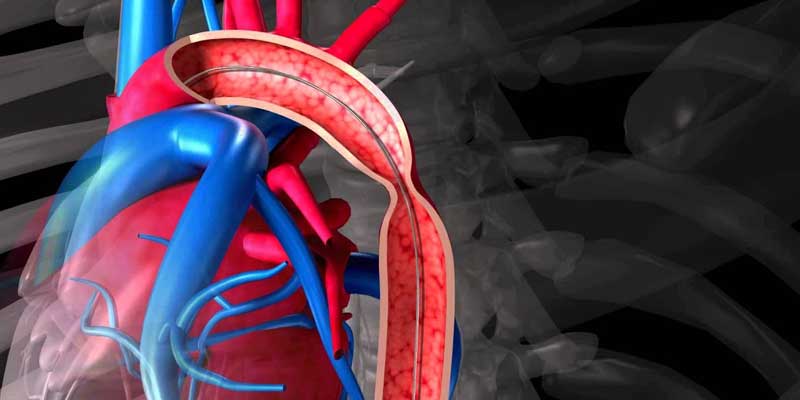
Coarctation of Aorta (CoA) Stenting
Meaning:
Coarctation of Aorta (CoA) Stenting is a minimally invasive, catheter-based procedure used to treat narrowing of the aorta, the main artery that carries blood from the heart to the body. A stent is placed at the narrowed segment to widen the artery and restore normal blood flow.
Causes:
Coarctation of the aorta is most commonly a congenital condition present from birth, but it may also develop later due to previous surgery, injury, or vascular disease. The narrowing can lead to high blood pressure, reduced blood flow to the lower body, headaches, leg pain, or heart failure if left untreated.
Treatments:
CoA stenting is performed using imaging guidance to accurately position and expand the stent across the narrowed segment. The procedure helps normalize blood pressure, improve circulation, and reduce strain on the heart. It is an effective alternative to surgery in suitable pediatric and adult patients.
Prevention:
Early diagnosis and regular follow-up of congenital heart conditions help prevent complications related to coarctation of the aorta. Timely intervention, blood pressure control, and long-term cardiac surveillance are essential for maintaining cardiovascular health.
Frequently Asked Questions
What is Coarctation of the Aorta?
Coarctation of the aorta is a narrowing of the main artery that restricts blood flow from the heart to the rest of the body.
Why is CoA stenting performed?
CoA stenting is performed to relieve the narrowing, improve blood flow, reduce high blood pressure, and prevent long-term complications.
When is CoA stenting recommended?
It is recommended when the narrowing is significant, causes symptoms or high blood pressure, and the anatomy is suitable for catheter-based treatment.
Is CoA stenting safe?
When performed in experienced centers, CoA stenting is considered a safe and effective minimally invasive procedure with faster recovery compared to surgery.