- drparikhrushabh@gmail.com
- +91 8779697851, 9619810512
- Mon - Sat: 10:00am to 6:00pm (Sunday Closed)


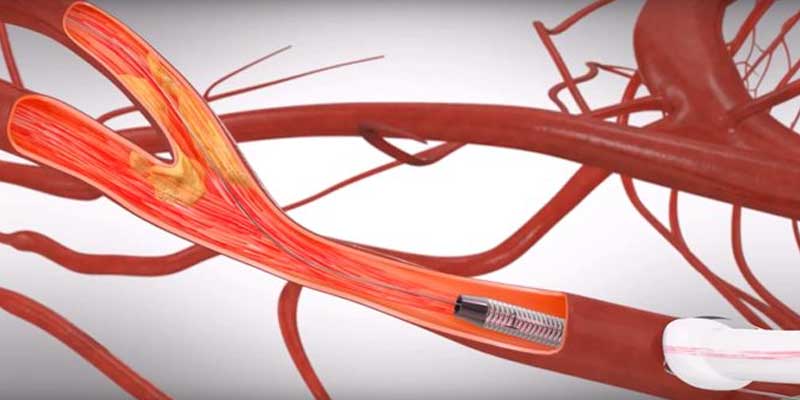
Renal Artery Stenting / Carotid Artery Stenting
Meaning:
Renal Artery Stenting and Carotid Artery Stenting are minimally invasive, catheter-based procedures used to treat narrowing of the renal arteries supplying the kidneys and the carotid arteries supplying the brain. A stent is placed to widen the narrowed artery and restore normal blood flow.
Causes:
Narrowing of renal and carotid arteries is commonly caused by atherosclerosis. Renal artery narrowing can lead to uncontrolled high blood pressure and reduced kidney function, while carotid artery narrowing increases the risk of stroke. Risk factors include diabetes, smoking, high cholesterol, high blood pressure, aging, and vascular disease.
Treatments:
These procedures are performed under imaging guidance using balloon angioplasty followed by stent placement to keep the artery open. Renal artery stenting helps improve blood flow to the kidneys and manage resistant hypertension, while carotid artery stenting reduces the risk of stroke by improving blood flow to the brain.
Prevention:
Early detection and management of vascular disease help prevent complications such as kidney damage and stroke. Controlling blood pressure, blood sugar, and cholesterol levels, quitting smoking, and regular vascular follow-up play a vital role in long-term vascular health.
Frequently Asked Questions
What is renal artery stenting?
Renal artery stenting is a procedure to open narrowed kidney arteries to improve blood flow and help control high blood pressure.
What is carotid artery stenting?
Carotid artery stenting is a minimally invasive procedure used to treat narrowing of the arteries supplying the brain and reduce the risk of stroke.
When are these stenting procedures recommended?
They are recommended when significant artery narrowing causes symptoms, organ dysfunction, or increases the risk of stroke or uncontrolled hypertension.
Are renal and carotid artery stenting safe?
When performed in experienced centers, these procedures are safe and effective alternatives to surgery with faster recovery and reduced risk.