- drparikhrushabh@gmail.com
- +91 8779697851, 9619810512
- Mon - Sat: 10:00am to 6:00pm (Sunday Closed)


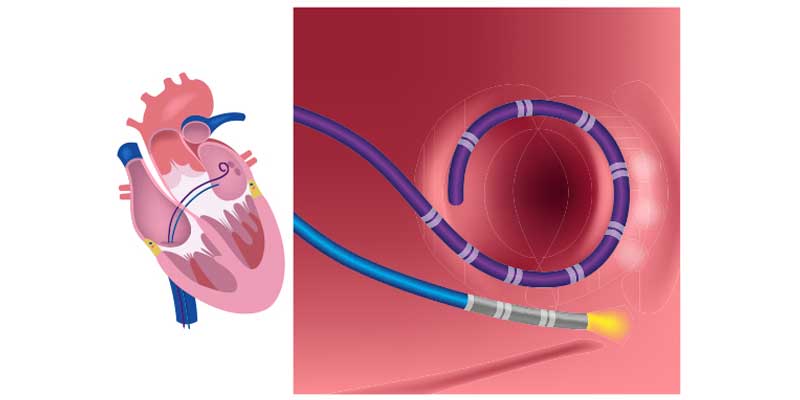
Catheter Radiofrequency Ablation (RFA) for Arrhythmia
Meaning:
Catheter Radiofrequency Ablation (RFA) is a minimally invasive procedure used to treat abnormal heart rhythms by destroying small areas of heart tissue responsible for irregular electrical signals. The procedure helps restore and maintain a normal heart rhythm without the need for long-term medication in many cases.
Causes:
RFA is recommended for patients with arrhythmias such as supraventricular tachycardia (SVT), atrial fibrillation, atrial flutter, and certain forms of ventricular tachycardia. These rhythm disturbances may cause palpitations, dizziness, fainting, breathlessness, or reduced quality of life.
Treatments:
During the procedure, specialized catheters are guided to the heart through blood vessels. Using advanced mapping systems, the abnormal electrical pathway is identified and treated with controlled radiofrequency energy to prevent recurrence of the arrhythmia.
Prevention:
Early diagnosis and timely treatment of arrhythmias help prevent complications such as stroke, heart failure, or sudden cardiac events. Regular follow-up and heart-healthy lifestyle choices support long-term rhythm control.
Frequently Asked Questions
What is Radiofrequency Ablation?
Radiofrequency Ablation is a procedure that uses heat energy to eliminate abnormal electrical pathways causing heart rhythm disorders.
Why is RFA performed?
RFA is performed to control or cure arrhythmias, reduce symptoms, and minimize dependence on long-term medications.
When is RFA recommended?
RFA is recommended when arrhythmias are recurrent, symptomatic, or not well controlled with medications.
Is RFA a safe procedure?
When performed in experienced centers, RFA is a safe and effective treatment with high success rates and quick recovery.