- drparikhrushabh@gmail.com
- +91 8779697851, 9619810512
- Mon - Sat: 10:00am to 6:00pm (Sunday Closed)


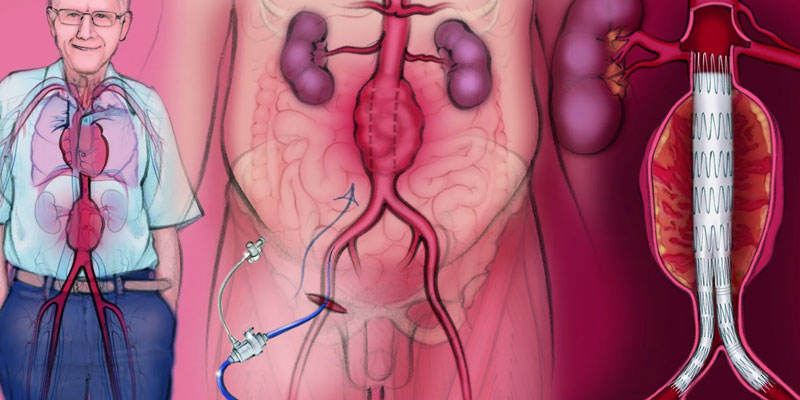
Thoracic Endovascular Aortic Repair (TEVAR)
Meaning:
Thoracic Endovascular Aortic Repair (TEVAR) is a minimally invasive, catheter-based procedure used to treat diseases of the thoracic aorta. A specially designed stent-graft is placed inside the aorta to reinforce the weakened vessel wall, restore normal blood flow, and prevent rupture.
Causes:
Conditions requiring TEVAR include thoracic aortic aneurysms, aortic dissections, penetrating aortic ulcers, and traumatic injuries to the aorta. These conditions may develop due to high blood pressure, atherosclerosis, genetic disorders, trauma, or age-related weakening of the aortic wall.
Treatments:
TEVAR involves delivering a stent-graft through a catheter inserted via an artery in the groin. Using advanced imaging guidance, the graft is positioned across the diseased segment of the aorta to seal the affected area and restore vessel integrity. This approach reduces the need for open surgery and allows faster recovery.
Prevention:
Regular monitoring of aortic disease, strict blood pressure control, smoking cessation, and management of cardiovascular risk factors help prevent progression of aortic conditions. Early detection and timely intervention are essential to avoid life-threatening complications.
Frequently Asked Questions
What is Thoracic Endovascular Aortic Repair?
TEVAR is a minimally invasive procedure that uses a stent-graft to treat diseases of the thoracic aorta without open-chest surgery.
Why is TEVAR performed?
TEVAR is performed to prevent rupture, control dissection, or repair injury of the thoracic aorta while reducing surgical risk and recovery time.
When is TEVAR recommended?
TEVAR is recommended when thoracic aortic disease reaches a size or severity that poses a high risk of complications and when anatomy is suitable for endovascular repair.
Is TEVAR a safe procedure?
When performed in experienced centers, TEVAR is considered a safe and effective alternative to open surgery, especially in high-risk patients.