- drparikhrushabh@gmail.com
- +91 8779697851, 9619810512
- Mon - Sat: 10:00am to 6:00pm (Sunday Closed)


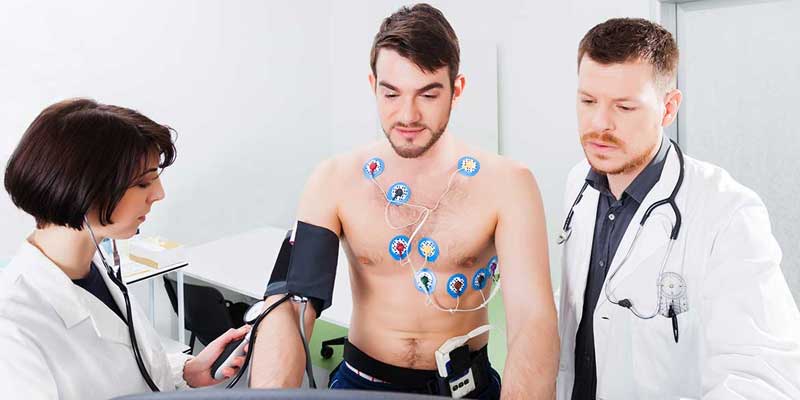
Stress Test – TMT & DSE
Meaning:
A Stress Test is a diagnostic cardiac test used to evaluate how the heart performs under physical or pharmacological stress. It helps detect reduced blood flow to the heart muscle, abnormal heart rhythms, and exercise tolerance. The two commonly used stress tests are Treadmill Test (TMT) and Dobutamine Stress Echocardiography (DSE).
Causes:
Stress testing is recommended when patients experience symptoms such as chest pain, breathlessness, fatigue on exertion, or palpitations. It is also used to assess suspected coronary artery disease, evaluate exercise capacity, or monitor known heart conditions.
Treatments / Purpose:
While a stress test itself is a diagnostic procedure, the results help guide further treatment decisions. Based on findings, patients may require lifestyle modification, medication adjustment, further imaging, coronary angiography, or interventional treatment.
Prevention:
Early detection of heart disease through stress testing helps prevent serious complications such as heart attacks. Regular cardiac evaluation, risk factor control, and timely testing support long-term heart health and safe physical activity.
Frequently Asked Questions
What is a Treadmill Test (TMT)?
TMT is a stress test where the patient walks on a treadmill while heart rhythm, blood pressure, and symptoms are monitored to assess heart function during exercise.
What is Dobutamine Stress Echocardiography (DSE)?
DSE is a stress test in which medication is used to simulate exercise while echocardiography evaluates heart muscle function and blood flow.
Why are stress tests performed?
Stress tests are performed to detect coronary artery disease, assess exercise capacity, evaluate symptoms, and guide further cardiac management.
When is a stress test recommended?
A stress test is recommended when patients have symptoms suggestive of heart disease, abnormal ECG findings, or require fitness assessment before surgery or exercise programs.
Are stress tests safe?
Yes, stress tests are safe and commonly performed diagnostic procedures when conducted under medical supervision in appropriate settings.