- drparikhrushabh@gmail.com
- +91 8779697851, 9619810512
- Mon - Sat: 10:00am to 6:00pm (Sunday Closed)


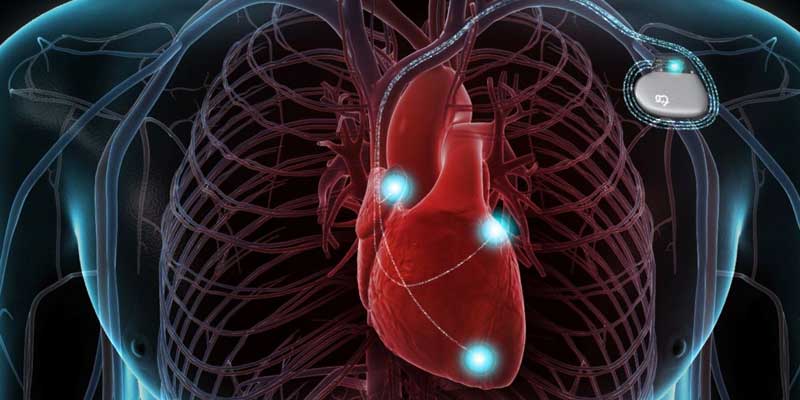
Implantable Cardioverter Defibrillator (ICD) Implantation
Meaning:
Implantable Cardioverter Defibrillator (ICD) implantation is a procedure used to protect patients from life-threatening heart rhythm disturbances. An ICD is a small electronic device implanted under the skin that continuously monitors heart rhythm and delivers electrical therapy to correct dangerous ventricular arrhythmias.
Causes:
ICDs are recommended for patients at high risk of sudden cardiac arrest due to conditions such as ventricular tachycardia, ventricular fibrillation, prior heart attack with weakened heart muscle, cardiomyopathy, or inherited electrical heart disorders.
Treatments:
The procedure involves placing leads into the heart through veins and connecting them to a pulse generator implanted beneath the skin. The ICD detects abnormal rhythms and delivers shocks or pacing therapy to restore normal heart rhythm when required.
Prevention:
While ICDs do not prevent heart disease, they prevent sudden cardiac death by treating dangerous arrhythmias promptly. Regular follow-up, device checks, medication adherence, and lifestyle management help optimize long-term outcomes.
Frequently Asked Questions
What is an Implantable Cardioverter Defibrillator?
An ICD is a device implanted under the skin that detects and treats life-threatening heart rhythm abnormalities.
Why is an ICD needed?
An ICD is needed to prevent sudden cardiac arrest in patients who are at high risk due to serious heart rhythm disorders.
When is ICD implantation recommended?
ICD implantation is recommended when a patient has survived a dangerous arrhythmia or is at high risk based on heart condition and test results.
Is ICD implantation a safe procedure?
Yes, ICD implantation is a well-established and safe procedure when performed in experienced centers, with most patients resuming normal activities after recovery.